Welcome to your holistic living
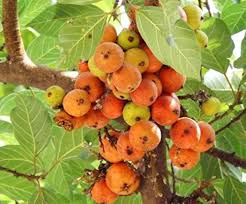
Botanical Name: Ficus racemosa
Family: Moraceae
English Name: Country fig
Malayalam Name: Atti
Hindi Name: Gular
Athi (Udumbara, Ficus racemosa) is a large deciduous tree from the Moraceae family, revered in Ayurveda for its medicinal bark, fruit, and latex. Habitat: Commonly found throughout India in moist, fertile soils, especially near rivers, ponds, and temple areas. It is a sacred tree often planted in temple compounds. Morphology: The tree grows up to 15–20 m tall, with spreading branches and a rough greyish bark. Leaves are ovate, dark green, and alternate. Fruits (figs) appear in clusters on the trunk and branches, green when raw, turning reddish or purplish on ripening. The latex is white and sticky. Grahya Lakṣaṇa: The bark should be smooth, fresh, and astringent to taste. Fruits should be firm, unshriveled, and free from insect infestation. Latex should be thick, white, and not watery.
Bark, fruit, leaves, latex
Digestive health: It is used to treat diarrhea, dysentery, hemorrhoids, and other gastrointestinal disorders. Unripe fruits are believed to improve digestion. Diabetes management: Traditionally used to help manage blood sugar levels. Research has explored its antidiabetic and antihyperglycemic effects. Inflammatory conditions: The plant is used to treat a variety of inflammatory disorders. Respiratory health: The bark and leaves are used to relieve symptoms like cough and asthma. Urinary and kidney issues: Used for treating urinary tract infections, kidney stones, and other urinary diseases due to its diuretic and antibacterial properties. Skin conditions and wounds: Its latex is used for topical applications on wounds, ulcers, and other skin ailments.
Antidiabetic,Astringent,Anti-inflammatory,Antimicrobial,Wound healing
Rasa: Kashaya, Madhura
Guna: Laghu, Ruksha
Virya: Sita
Vipaka: Katu
Dosha Karma: Pittakapha shamaka