Welcome to your holistic living
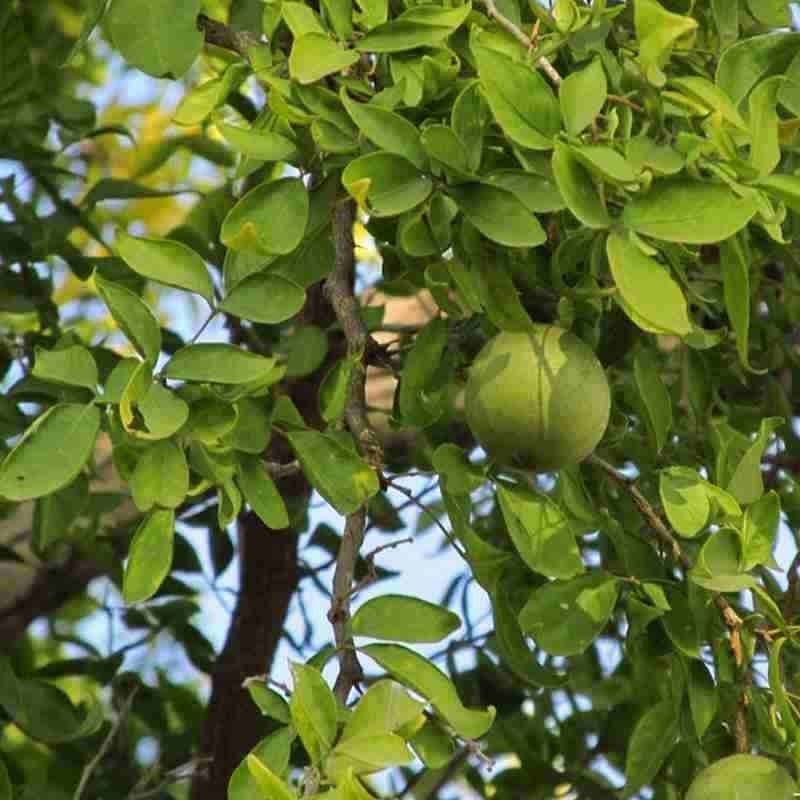
Botanical Name: Aegle marmelos
Family: Rutaceae
English Name: Golden apple
Malayalam Name: Koovalam
Hindi Name: Bel
Bilva, botanically known as Aegle marmelos and commonly called Bael or Golden Apple, is a sacred and medicinal tree from India, belonging to the Rutaceae family. It holds significant spiritual importance, especially in Hinduism, where its trifoliate leaves, called "Tri-patra," are offered to Lord Shiva during prayers. In traditional Ayurveda, the tree's bark, leaves, roots, and fruit are used to treat various ailments, possessing anti-toxic, digestive, and anti-microbial properties, and recent research highlights its potential anti-cancer and liver-protective effects due to compounds like coumarins and scoparone.
Root
Digestive Health: Bael fruit is traditionally used to treat digestive disorders such as diarrhea, dysentery, and constipation. Its astringent properties help in firming up loose stools and promoting gut health. Blood Sugar Regulation: Aegle marmelos has been shown to help manage blood sugar levels, making it beneficial for individuals with diabetes. It may improve insulin sensitivity and reduce blood glucose levels. Anti-inflammatory Properties: The leaves and fruit of the bael tree contain compounds that exhibit anti-inflammatory effects, which can help alleviate conditions like arthritis and other inflammatory diseases. Antioxidant Effects: Bael is rich in antioxidants, which help combat oxidative stress in the body. This can contribute to overall health and may reduce the risk of chronic diseases. Respiratory Health: The leaves of Aegle marmelos are used in traditional remedies for respiratory issues, including coughs and asthma, due to their soothing properties. Fertility and Reproductive Health: In some traditional practices, bael is believed to support reproductive health and fertility, although more research is needed in this area.
Anti inflammatory Anti pyretic Laxative
Rasa: Katu, Tikta, Kashaya
Guna: Snigdha
Virya: Usna
Vipaka: Katu
Dosha Karma: Kaphavata hara